
.png)

Join our newsletter for downsizing tips, local events, and resources, sent once a month. No spam, ever.
Thank you! Your submission has been received!
Oops! Something went wrong while submitting the form.



.png)
Some seniors spend years planning a move. They decide the family home has become too large, they want less maintenance, or they are ready for a different lifestyle.
But sometimes, the decision to move isn't really a choice.
A fall. A hospitalization. The loss of a spouse. A sudden change in mobility. Increasing care needs. Cognitive decline. A home that simply no longer works.
When circumstances change quickly, families can go from talking about a possible move “someday” to asking a much more urgent question:
What do we do now?
A circumstance-driven senior move can feel overwhelming because there is rarely just one problem to solve. There may be health and safety concerns, housing decisions, family discussions, decades of belongings, a home to prepare and sell, and a move to coordinate.
You don't need to solve everything at once. The first step is understanding what has changed and then creating a plan for what needs to happen next.
A senior may need to move when changes in health, mobility, cognition, caregiving or home safety make their current living situation difficult, impractical or unsafe.
Some of the most common circumstances include:
A serious fall or health event. A fall, stroke, surgery or hospitalization can suddenly change what someone is physically able to do. A home that worked six months ago may now have too many stairs, an inaccessible bathroom or too much upkeep.
Declining mobility. Sometimes the change is gradual. Stairs become harder. Getting into the bathtub feels less secure. Carrying laundry becomes difficult. Snow removal, gardening and basic maintenance start becoming too much.
Increasing care needs. A senior may begin needing help with meals, medication, bathing, dressing or other daily activities. In Ontario, some seniors may be able to remain at home with publicly funded or privately arranged supports. Ontario Health atHome assesses eligible residents for home and community care and can also connect families with other community services.
Loss of a spouse or caregiver. The death or declining health of a spouse can change daily life dramatically. One person may have handled the driving, cooking, finances, maintenance or caregiving. Suddenly, the other spouse is managing a home and lifestyle that previously depended on two people.
Cognitive changes. Dementia or other cognitive changes can raise new concerns around medication, cooking, finances, getting lost and general safety. A dementia diagnosis does not automatically mean a person can no longer live independently, but families should continually consider whether the living situation remains safe and appropriate.
The home itself becomes too difficult to manage. Sometimes there isn't one dramatic event. Repairs, stairs, property maintenance, isolation or the sheer size of the home can eventually make another living arrangement more practical.
A care or housing opportunity becomes available. A retirement residence may have the right suite available, or a long-term-care placement may become available after a period of waiting. That can move a family from planning into action very quickly.
If you believe an elderly parent can no longer live safely alone, start by assessing their immediate safety and care needs before worrying about selling the house. Then determine what support or living arrangement they need, who should be involved in the decisions and how quickly changes need to happen.
In Ontario, your parent's healthcare team and Ontario Health atHome can be useful starting points when care needs are involved.
Ontario Health atHome coordinates publicly funded home and community care and manages Ontario's long-term-care placement process. For someone leaving hospital, the hospital team may also work with an Ontario Health atHome care coordinator to determine what supports are needed for a safe discharge.
Before making major decisions, try to answer five questions:
Those answers provide the foundation for everything that follows.

When families realize a parent may need to move, their minds often jump immediately to the house.
Should we list it?
How much is it worth?
What repairs need to be done?
What are we going to do with all this furniture?
Those are important questions. But they usually aren't the first questions.
Start with the person, not the property.
Before deciding what happens with the family home, understand where your parent is going, how much space they will have, what belongings they can bring and what timeline you're working with.
We've seen families become overwhelmed because they begin solving individual problems before they understand the bigger picture.
Someone starts giving away furniture. Another sibling calls a Realtor. Someone else begins touring retirement residences.
Meanwhile, nobody is quite sure what the actual plan is.
The sale of the home is one part of the transition. It shouldn't drive every other decision.
A senior transition plan puts the decisions in the right order and identifies who is responsible for each step.
A typical plan might look like this:
Every situation is different.
Some families have six months to prepare. Others have several weeks.
The purpose of the plan isn't to make the move perfect. It's to make the next steps clear.
One practical mistake we often see: families begin aggressively decluttering before they know where the senior is moving or exactly what will fit there.
Whenever possible, understand the destination first. It makes decisions about furniture, clothing, keepsakes and household items much easier.
When an elderly parent needs to move, an adult child frequently becomes the unofficial coordinator for the entire transition.
That can become a much bigger job than expected.
There may be:
And this may all be happening while you are managing a career, children and your own household.
There is another complication: you're not simply running a project.
You're helping your mother or father through a major life transition.
Siblings may disagree. Your parent may resist moving. There may be guilt, frustration, grief or uncertainty about whether the family is making the right choices.
One of the most valuable things an adult child can do is recognize that you don't personally have to perform every task simply because you are helping lead the decisions.
You should still have time to be the son or daughter.

A circumstance may force the conversation about moving, but that doesn't mean a senior should lose their voice in the process.
Whenever possible, involve them in decisions about where they will live, which belongings will come with them, how their new home will be arranged and what matters most to them.
Not every preference will necessarily be possible. Safety, health, finances and availability may limit the options.
But being heard matters.
Someone who has lived in the same home for 30, 40 or 50 years isn't simply changing addresses.
They may be leaving the home where they raised their children, celebrated holidays, knew their neighbours and accumulated decades of memories.
They may simultaneously be coping with the death of a spouse, a health change or the realization that they are losing some of their independence.
Moving quickly doesn't have to mean moving without compassion.
Moving isn't always the only answer. The right solution depends on the senior's health, safety, care needs, finances, preferences and home environment.
In Ontario, possible options can include:
Ontario Health atHome specifically recommends exploring whether someone's needs can be met at home or through other supportive options before long-term care is considered. Here's an article we did that covers grants available to make the home accessible.
Long-term-care eligibility involves an assessment of the individual's care needs and whether available community supports can adequately meet those needs.
There is no universal answer.
The objective should be to find the living arrangement that best balances safety, appropriate support, independence and quality of life for that individual.
Selling the family home is an important part of many senior transitions.
But in a circumstance-driven move, it may actually be one of the more straightforward pieces.
A traditional Realtor can help prepare, market and sell a property.
A senior transition may also require:
The problem usually isn't finding an individual company capable of doing each task.
The challenge is knowing what needs to happen, finding the right people and coordinating everything in the right order.
That's especially important when the senior is dealing with health challenges or when adult children live outside Mississauga, Oakville, Burlington or elsewhere in the GTA.
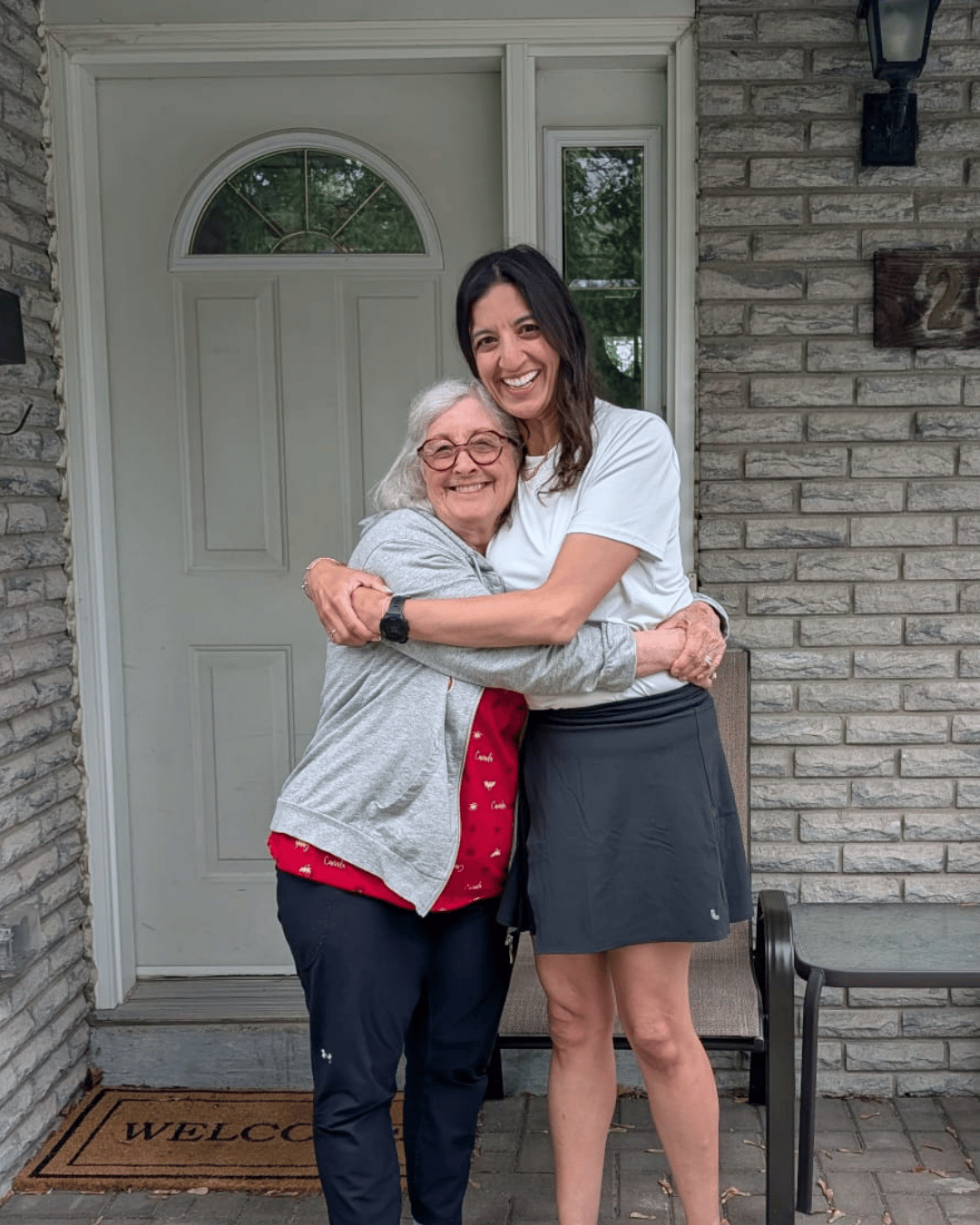
We’re more than traditional realtors. We understand the many moving pieces and the emotions involved in a forced senior transition.
Sometimes we lead, sometimes we support, but we always do it with care and compassion.
There isn't one test that determines when a senior should move. Warning signs can include repeated falls, increasing difficulty with everyday activities, worsening mobility, medication concerns, cognitive changes, social isolation or a home that has become difficult to maintain. Start by assessing safety, care needs and whether appropriate support can realistically be provided in the current home.
First, try to understand why. Your parent may be afraid of losing independence, leaving familiar surroundings or giving up possessions and routines that matter to them. Unless there is an immediate safety or decision-making-capacity issue, involving your parent in the conversation and exploring alternatives is generally more productive than treating the move as a decision that has already been made.
Usually, you should first understand where your parent is likely to live and the expected timeline. Knowing the destination helps determine what furniture and belongings can move, how urgently the property needs to be sold and how the transition should be sequenced.
Depending on the circumstances, a family may need help from healthcare professionals, Ontario Health atHome, a retirement residence, lawyer, financial advisor, Realtor, organizer, mover or senior-transition professional. For complicated moves, having one person or team coordinate these different pieces can greatly reduce the workload placed on the family.
Ontario Health atHome manages long-term-care placement in Ontario. Families should understand the specific requirements and timelines associated with an offer before making decisions about the family home or move.
Here's a link to an article: What Happens When You Get Selected for Long-Term Care in Ontario
It depends on the destination, the condition of the existing home, how many belongings need to be dealt with, family decision-making and whether the property needs to be sold. Some moves are planned over several months, while circumstance-driven moves may need to be coordinated within weeks.