


Join our newsletter for downsizing tips, local events, and resources, sent once a month. No spam, ever.
Thank you! Your submission has been received!
Oops! Something went wrong while submitting the form.




It's 9:30 on a Tuesday evening, and Karen is finally sitting down.
She's 47, works full-time, has a husband and two teenagers and a mother who's 82 and still living independently. At least, that's how her mother describes it.
Over the past year, Karen has gradually taken on more responsibilities. It started with driving her mother to medical appointments. Then came grocery shopping, managing prescriptions, helping with banking and checking in every evening.
Today, Karen left work early to take her mother to the doctor, picked up groceries on the way home and spent 45 minutes on the phone trying to resolve an issue with her mother's medication. Meanwhile, her own family had dinner without her.
She's exhausted. She's also feeling guilty because she lost her patience with her mother earlier that afternoon.
And tomorrow, she'll do it all again.
Karen loves her mother and wants to be there for her. But lately, she's beginning to wonder how much longer she can keep everything going.
What Karen may be experiencing is caregiver fatigue. And she's far from alone.
Caregiver fatigue is the physical, mental and emotional exhaustion that can develop when someone spends significant time caring for another person.
For many adults between 45 and 60, caregiving arrives during an already demanding stage of life. They're managing careers, raising children, maintaining relationships and planning for their own retirement. Adding responsibility for an aging parent can stretch their time, energy and finances.
Sometimes called caregiver stress or caregiver burnout, the experience can develop gradually. What begins as helping Mom or Dad with a few things can eventually become a substantial, ongoing responsibility.
According to Statistics Canada, 6% of Canadians were providing unpaid care to both children and care-dependent adults in 2022. This is often referred to as the sandwich generation.
And unlike a demanding project at work, caregiving often has no clear positive finish line.
It's not always easy to recognize caregiver fatigue in yourself, especially when you've become accustomed to putting someone else's needs first.
Here are seven signs worth paying attention to.
1. You're constantly exhausted. Even after a full night's sleep or a relatively quiet weekend, you feel tired. You may also find yourself having difficulty concentrating or remembering things.
2. You're becoming impatient or irritable. Small requests that once seemed manageable now frustrate you. You might snap at your parent, spouse or children and feel guilty afterward.
3. Your own health is taking a back seat. You're missing medical appointments, exercising less, sleeping poorly or relying on unhealthy eating habits because you're simply too busy.
4. You're withdrawing from friends and activities. You've stopped making social plans because you're exhausted, don't have the time or worry about leaving your parent alone.
5. You feel anxious even when nothing is wrong. You're constantly wondering whether your parent has fallen, forgotten medication or needs something. Even when you're not physically caregiving, you're mentally on call.
6. You're experiencing resentment or guilt. You may resent the amount of time caregiving requires, feel frustrated that siblings aren't contributing equally or wish you had more freedom. These feelings can then produce guilt, creating an exhausting cycle.
7. You feel like everything depends on you. You believe that if you don't handle something, it simply won't get done. Asking for help may feel harder than doing the task yourself.
Experiencing one of these signs occasionally doesn't necessarily mean you're experiencing caregiver burnout. But when several become persistent, it's worth taking them seriously.

Many caregivers believe they can push through a difficult period until things settle down. Unfortunately, with aging parents, the responsibilities often increase rather than decrease.
Ignoring caregiver fatigue can have several consequences.
Prolonged stress can contribute to sleep problems, anxiety, depression and other health concerns. Caregivers may also delay dealing with their own medical issues because their parent's needs always seem more urgent.
When one person is carrying most of the caregiving responsibility, frustration can build with siblings, spouses and other family members.
Relationships with aging parents can also suffer. Conversations that were once enjoyable may become dominated by reminders, appointments, finances and disagreements.
Leaving work for appointments, taking unexpected days off or reducing working hours can affect career opportunities and income.
For someone in their 30s, 40s or 50s, these decisions can also influence retirement savings at a particularly important time.
Exhausted caregivers can have more difficulty making decisions, staying organized and responding patiently.
This doesn't mean they don't care. It means the demands of caregiving may have exceeded what one person can reasonably manage.
The biggest risk is waiting until a crisis forces everyone to make decisions under pressure.
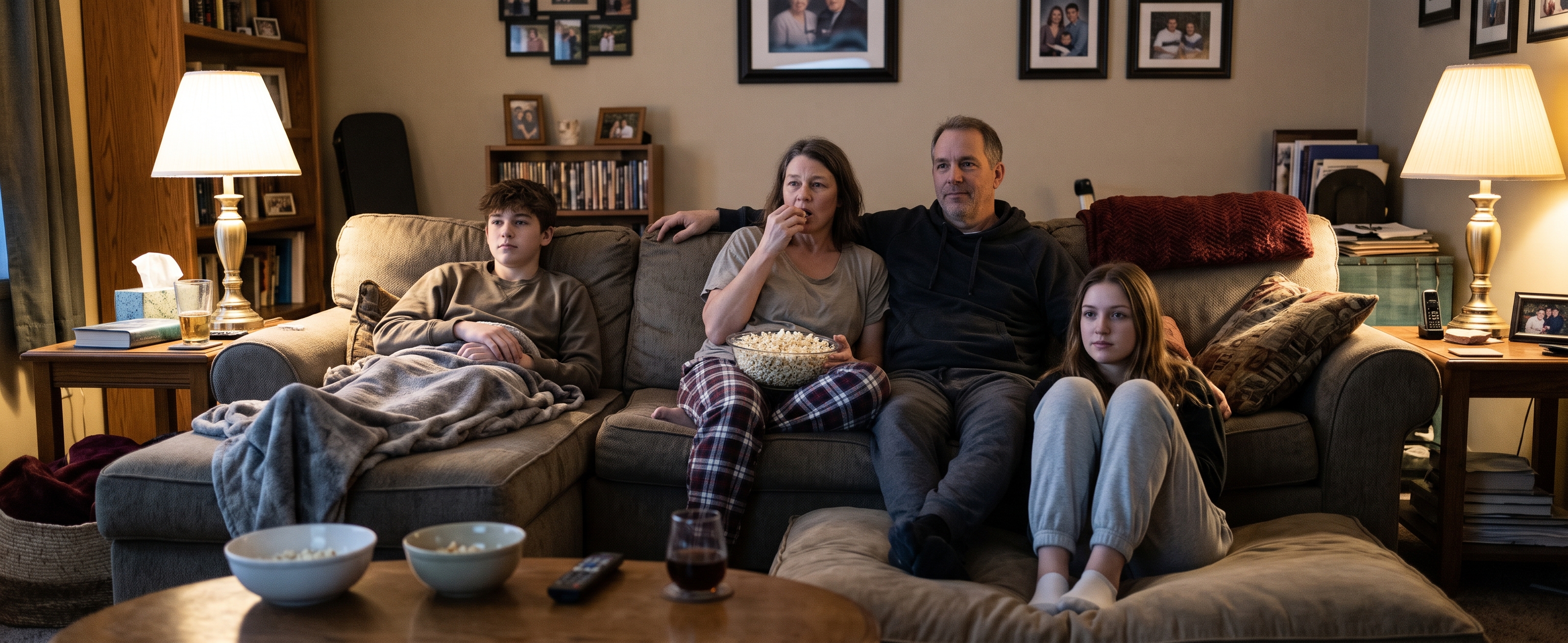
There may not be a simple solution, particularly when a parent has complex medical or personal needs. But there are ways to make caregiving more manageable.
Start by making a list of everything you do for your parent during a typical month.
Include appointments, transportation, groceries, phone calls, banking, house maintenance, medication management and emotional support.
Many caregivers underestimate their responsibilities because individual tasks seem small.
Seeing everything on paper can help you recognize the true workload and identify where support is needed.
Rather than telling siblings or relatives that you need more support, identify specific responsibilities they could take over.
Perhaps one sibling can manage finances while another coordinates medical appointments. Someone who lives farther away might handle online grocery orders, paperwork or research.
A clear division of responsibilities is more effective than hoping people will volunteer.
And if family members aren't available, it may be necessary to explore outside help.
You don't have to manage every aspect of caregiving personally.
Depending on your parent's needs and eligibility, consider services such as:
In Ontario, the Ontario Caregiver Organization provides free resources, peer support and information about available services.
Explore free caregiver respite programs. You may qualify for government-funded in-home support that allows you to take a break from caregiving responsibilities. In Ontario, Ontario Health atHome can assess your parent's eligibility for personal support and respite services.
Organizations such as Links2Care also offer free caregiver relief programs in parts of Mississauga, Oakville and surrounding communities. Availability and eligibility vary, so it's worth investigating your options before caregiver fatigue becomes overwhelming.
Even a few hours of regular assistance can make a meaningful difference.
Being a supportive adult child doesn't mean being available every minute of every day.
You may need to establish reasonable expectations about when you're available, which tasks you can manage and what constitutes an emergency.
For example, you might schedule grocery shopping for Saturday rather than responding to multiple requests throughout the week.
Boundaries aren't about caring less. They're about establishing a level of support that you can sustain.
Sometimes caregiver fatigue is a sign that a parent's current living arrangement is no longer meeting their needs.
A large home may require considerable maintenance. Stairs may become difficult. Driving may no longer be practical. Social isolation or safety concerns may require more frequent visits from family members.
This doesn't automatically mean a parent needs to move into a retirement residence.
However, it may be time to explore alternatives such as a smaller, more manageable home, a condominium with fewer maintenance responsibilities, additional support at home or a retirement community.
The key is to explore options before a health emergency or caregiver burnout forces a rushed decision.
It's also important to involve your parent in these conversations. Their preferences, independence and dignity should remain central to the decisions being made.
Caregiving shouldn't require you to abandon your own health, relationships and interests indefinitely.
Schedule exercise, social activities and personal appointments with the same seriousness you give your parent's appointments.
If you haven't had meaningful time off in months, look into respite care or arrange for another person to take over temporarily.
Taking time away is part of making caregiving sustainable, not a reward you have to earn.
Caregiving can be emotionally isolating, particularly when friends and colleagues aren't facing similar responsibilities.
A caregiver support group can provide a place to exchange advice and discuss frustrations with people who understand.
If you're experiencing persistent anxiety, sadness, exhaustion or difficulty coping, speak with your healthcare provider or a mental health professional.
You don't have to wait until you've reached a breaking point to seek support.
One of the most difficult aspects of caregiving is that responsibilities often grow gradually. Families adapt to each new challenge without stopping to consider whether the overall situation is still manageable.
That's why proactive planning matters.
Talk to your parents about their future housing needs, healthcare preferences, financial arrangements and the support they might eventually require.
Explore the available options while everyone has the time and ability to participate thoughtfully in the decisions.
Planning doesn't eliminate the challenges of aging. But it can reduce uncertainty, distribute responsibilities more effectively and help families avoid decisions made during a crisis.
If you're experiencing caregiver fatigue, it may be time to reassess how much responsibility you're carrying and what support is available.
You can love your parent, want the best for them and still recognize that the current arrangement isn't sustainable.
And sometimes, the most important decision isn't figuring out how to do more.
It's figuring out what needs to change.
At Seamless Rightsizing, we work with older adults and their families to plan housing transitions that reflect their changing needs.
Whether that means exploring a smaller home, evaluating retirement living options or managing the many details involved in moving, our goal is to make the process easier for everyone involved.
For adult children who are already juggling considerable responsibilities, having someone coordinate the transition can remove a significant amount of work and stress.
If you're beginning to question whether your parent's current living arrangement is still the right fit, we're here to help you explore the options.